
Seawater that seeps into drinking water may be raising people’s blood pressure and adding to their risk of heart disease and stroke, a global health expert has found.
And the risk from drinking salty water is as risky as being sedentary, it is claimed.
Scientists at Florida International University, led by Rajiv Chowdhury, professor of global health, analysed studies involving more than 74,000 people worldwide and concluded that people exposed to saltier drinking water tended to have significantly higher blood pressure.
The link appears strongest in coastal areas where seawater is increasingly contaminating freshwater supplies, they found.
More than a billion people worldwide have hypertension, which is persistent elevated blood pressure, a leading cause of heart disease and stroke.
But prevention efforts focus on salt in the diet and on lifestyle. For most people, food remains their primary source of sodium, but when water is saltier than usual, drinking sources may add to a person's total intake, the researchers said.
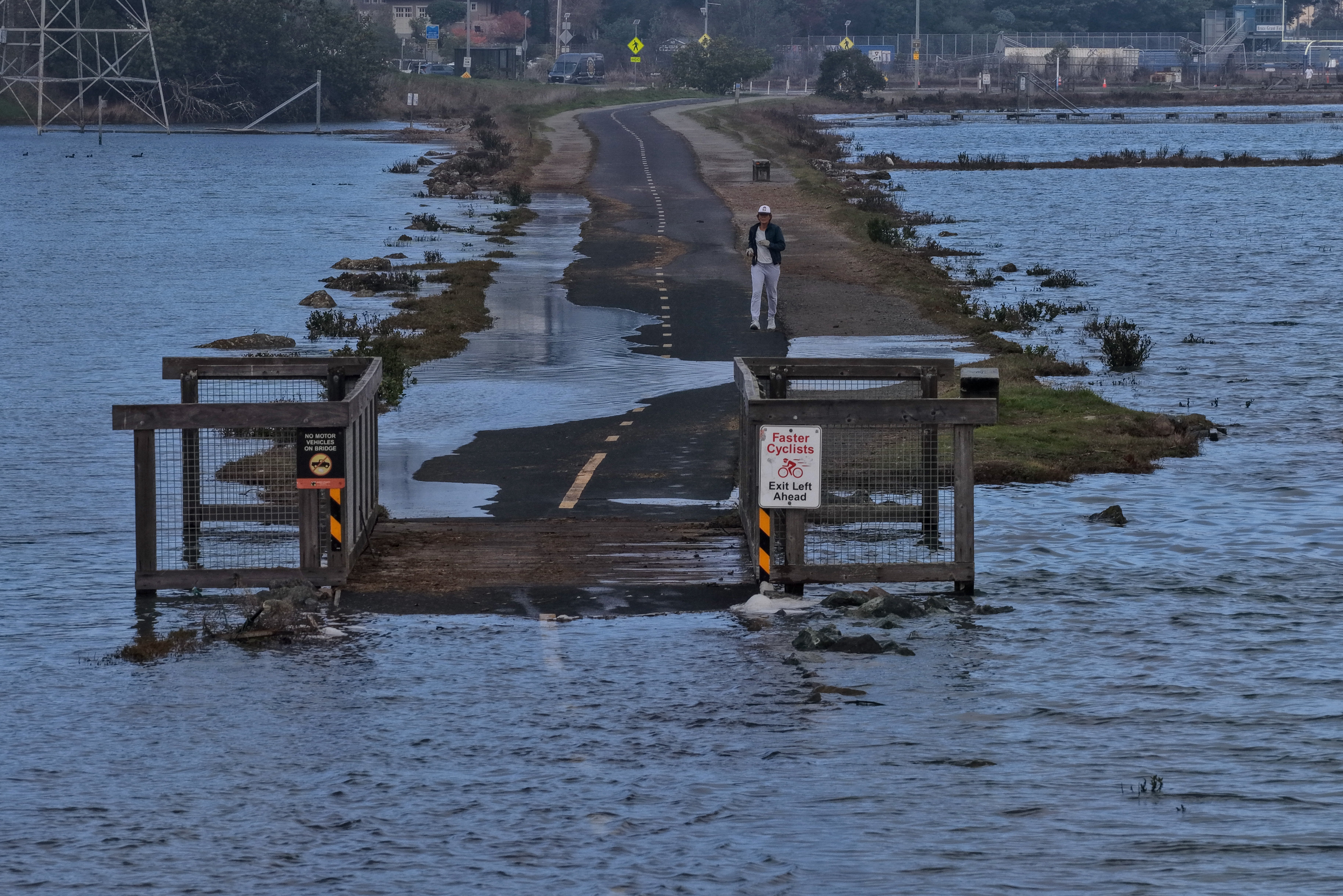
In many coastal areas, ground water is becoming saltier as rising sea levels push seawater into freshwater aquifers.
Dr Chowdhury said exposure to high-salinity water was linked to a 26 per cent higher risk of developing hypertension – a risk that was strongest among coastal populations.
“While these are modest increases at the individual level, even small shifts in blood pressure among large populations can have significant public health effects,” he said.
“To put it in perspective, the risk that higher water salinity levels pose to hypertension is similar to that of other cardiovascular risk factors, such as low physical activity, which increases hypertension risk by approximately 15 per cent to 25 per cent.”
This environmental factor could become a greater problem as climate change accelerates, Dr Chowdhury said.
The more than 3 billion people who live in coastal or near-coastal regions worldwide are most at risk, many of them in low and middle-income countries where groundwater is their main source for drinking water.
They might drink large amounts of sodium just from drinking and cooking with saline water they cannot taste, he said.
The team pooled data from 27 population-based studies in several European countries, the US, Australia, Israel, Bangladesh, Vietnam and Kenya to reach their conclusion.
People drinking saltier water had systolic blood pressure that on average was about 3.22 mmHg higher and diastolic blood pressure that was about 2.82 mmHg higher.
Research earlier this year found Britons are eating the equivalent of the salt in 155 packets of crisps a week.
The British Heart Foundation says most of the salt people eat is in foods such as bread, cereals, pre-made sauces and ready meals.
The World Health Organisation (WHO) recommended salt limit is a maximum of 5g a day.















 Bengali (Bangladesh) ·
  English (United States) ·